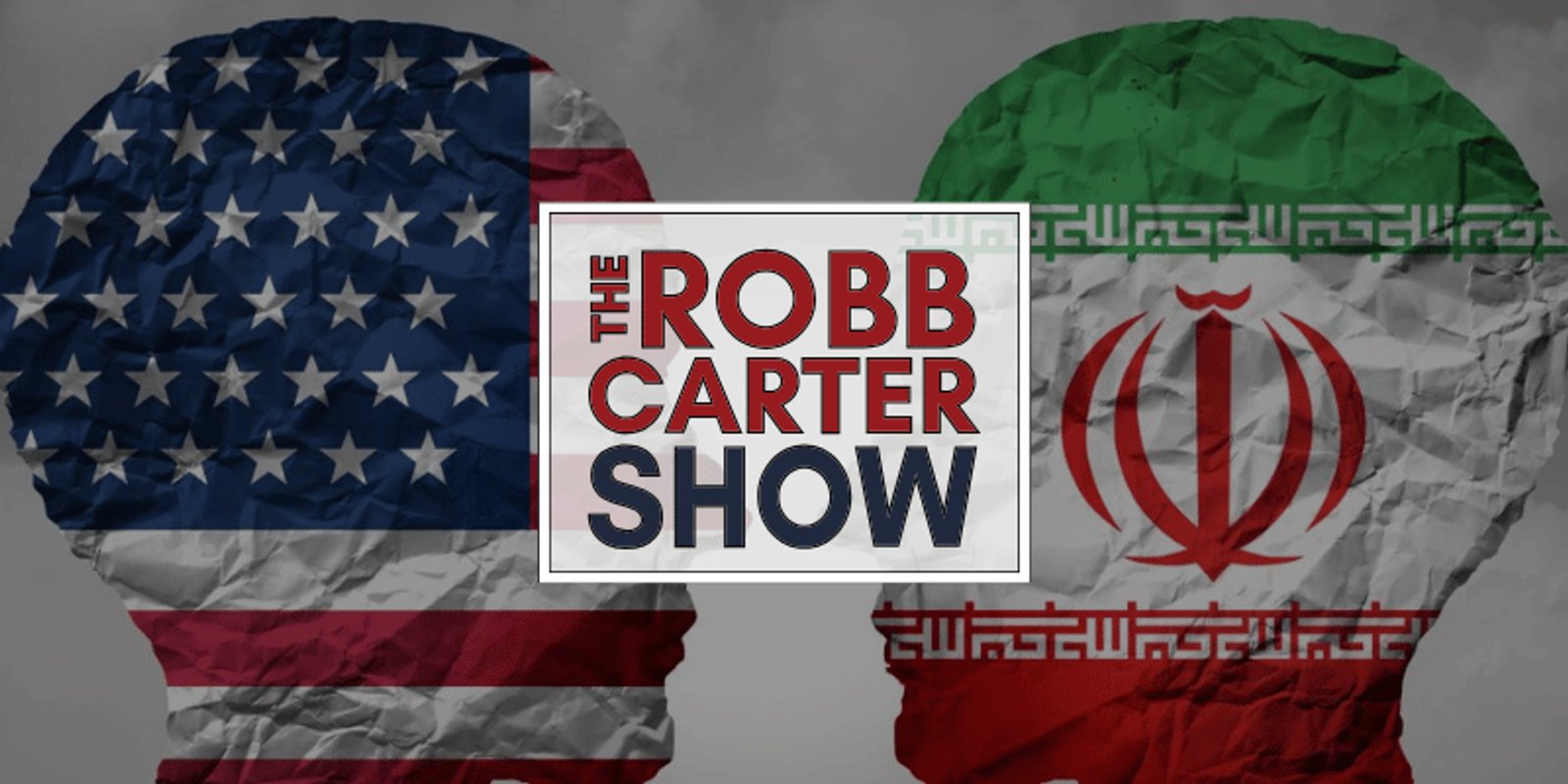
For decades, the main story in American media has painted Iran as an irrational, fanatical enemy that simply “hates our freedom.” The real history is far more complex. It is a story of oil, power, coups, broken alliances, and proxy wars that has cost American lives and treasure for generations. Understanding this past is vital, especially now as tensions rise again and America decides its role in the Middle East.
1953: Operation Ajax and the Roots of Resentment
In 1953, Iran had a democratically elected prime minister named Mohammad Mossadegh. He nationalized the country’s oil industry. This move challenged the control of British and American companies that dominated Iran’s most valuable resource. In response, the CIA and British intelligence launched Operation Ajax. They overthrew Mossadegh and restored the pro-Western Shah Mohammad Reza Pahlavi as a powerful ruler.
To Iranians, this was not distant geopolitics. It was a foreign power removing their elected leader and installing a monarch who served outside interests. The coup planted deep seeds of distrust toward the United States that last to this day.
The Shah’s Rule: Repression and Revolution
Backed by American support, the Shah ruled with an iron fist. His secret police, SAVAK, became infamous for torture and crushing dissent. Corruption spread widely. While a small elite grew rich, ordinary Iranians grew angry over repression and heavy Western cultural influence.
By 1979, that anger exploded in the Islamic Revolution. The Shah was overthrown, and the Islamic Republic of Iran was born under Ayatollah Khomeini. What started as a broad popular uprising soon became the theocratic system we see today. The U.S. Embassy hostage crisis sealed Iran’s image as America’s enemy, but it was the result of decades of intervention, not the beginning.
The Iran-Iraq War: America Backs Saddam
Just one year later, in 1980, Saddam Hussein’s Iraq invaded Iran. The war dragged on for eight brutal years. The United States leaned strongly toward Iraq. It shared intelligence, gave financial aid, and looked the other way as Saddam used chemical weapons against Iranian soldiers and civilians.
Hundreds of thousands died. Iran came out scarred but determined. It saw the U.S. as complicit in one of the 20th century’s deadliest wars. This experience pushed Iran to build influence through proxy militias and to prepare for future threats.
Post-War Sanctions, “Axis of Evil,” and Ongoing Tension
After the war, U.S. sanctions grew tighter. In 2002, President George W. Bush called Iran part of the “Axis of Evil.” Arguments over Iran’s nuclear program, support for groups like Hezbollah and Hamas, and regional rivalries kept the conflict alive.
A short opening appeared with the 2015 JCPOA nuclear deal under Obama. President Trump pulled out in 2018, reimposed heavy “maximum pressure” sanctions, and ordered the killing of Quds Force commander Qasem Soleimani in 2020. Iran hit back with missile strikes and stepped-up proxy attacks.
Today: Regime Change Pressures and America’s Real Costs
Today we face constant pressure toward confrontation or regime change. Much of it ties directly to Israel’s security concerns. Yet ordinary Americans pay the price: lost lives, trillions of dollars spent, and higher oil prices that hurt our economy every time tensions spike.
History is complicated on every side. Iran’s leadership has chosen confrontation and ideology over the prosperity of its own people. But ignoring America’s past role is dishonest. A clear-eyed America First policy means learning from this history instead of repeating it. We should secure our borders, achieve real energy independence, avoid needless wars, and make deals that truly serve U.S. interests rather than endless Middle East entanglements.
AMERICA FIRST. AMERICA ONLY. 🇺🇸
If you enjoy the content and want to support more of it, you can buy me a coffee here: https://ko-fi.com/therobbcartershow