
On a Friday night in September I was eating barbecue and drinking a beer when my phone rang. A recording told me the call was from a correctional facility and might be monitored. Then a man at Bonne Terre told me he was innocent, and that the proof existed.
I'd half-remembered his case; the Robb Carter Show had put it back in front of me. Over the next three days I read the trial transcript and started investigating the players. Monday I was going to be talking to the man at the center of the case … Jeffrey Weinhaus.
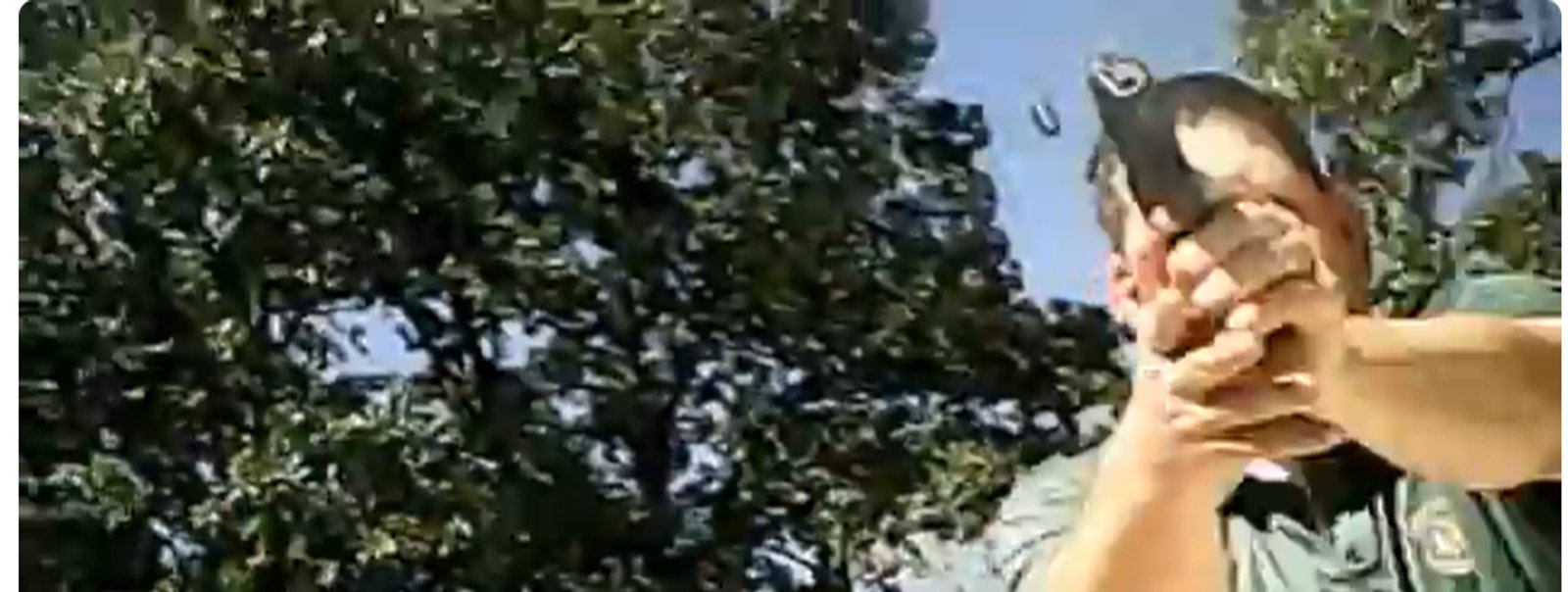
Here is what isn't in dispute. On September 11, 2012, Weinhaus met two Missouri State Highway Patrol troopers at a gas station on Highway K near St. Clair. Within seconds he had been shot four times. He lived. In October 2013 a Franklin County jury convicted him of assaulting Sergeant Henry Folsom and acquitted him of the identical charges involving the other trooper, Corporal Scott Mertens. He is serving thirty years.
Almost everything else is in dispute, starting with where Weinhaus's pistol was when the shooting started.
Two troopers stood side by side that day and told the jury two different things. The jury noticed, and asked the court for help sorting it out. What they asked for, and why they didn't get it, is still sitting in the court file.
Since then Weinhaus has asked court after court to look again. The Missouri Supreme Court turned him down in December 2024 without explanation. The U.S. Supreme Court declined to take his case in June 2025.
Folsom's name has come up in another courtroom since. In March 2026 a federal jury in St. Louis returned a verdict against him in a lawsuit brought by a man he investigated in 2008. That jury decided nothing about Weinhaus. That verdict is one thread this series will follow.
At trial, Folsom said he went to see Weinhaus over threats to a judge. Years later, he testified under oath in another case. He said his bosses wanted to stop YouTube videos, even though they knew the videos weren't illegal.
Folsom took a drug test after the shooting. He also failed fitness-for-duty evaluations before testifying. An internal Patrol inquiry is looking into his conduct. Outsiders cannot see it. Also, a second camera was taken from Weinhaus's car. Its files haven't shown up in court. Thirteen years on, no judge has held a hearing on any of it.
Part One starts with a note a juror wrote on a sheet of notebook paper.