
What to know: One week before Missourians vote on Amendment 5, a PAC formed just three months ago has raised $15.5 million to support its passage, almost all of it from nonprofits that are not required to disclose their funding sources. Add digital ads, outside spending, and a wave of amplification from national accounts, and this may be among the least transparent campaigns in recent Missouri ballot measure history. Voters will decide Amendment 5 without knowing who ultimately paid to persuade them. Here's the money trail.
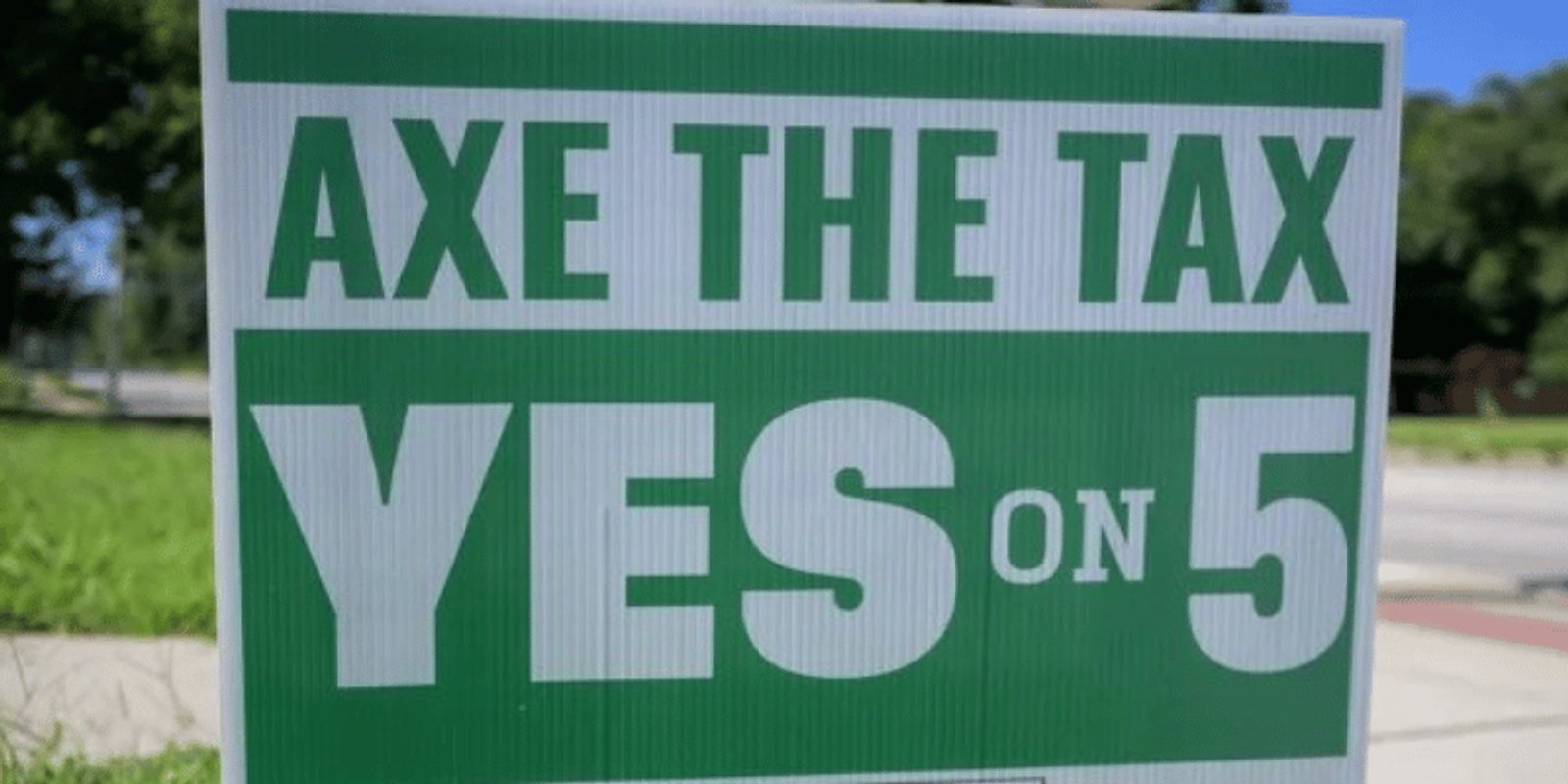
Missouri voters will decide Amendment 5 on the August 4 primary ballot. The measure would require lawmakers to phase out the individual state income tax if certain revenue growth benchmarks are met and expand sales and use taxes to help replace that revenue. Behind that policy question sits a campaign funded almost entirely through contributions that trace back to organizations with no obligation to disclose their donors.
A New Organization, a New PAC, and $15.5 Million
Missouri Promise Inc., a nonprofit, was incorporated in Delaware in late 2025. In early May 2026, Missouri Promise PAC was formed. By late July, the PAC alone had reported approximately $15.5 million in contributions, nearly all from a network of nonprofits that do not publicly disclose their donors.
That figure doesn't include spending by other outside groups. Americans for Prosperity-Missouri and similar organizations have added their own spending on canvassing, town halls, and promotional events supporting Amendment 5, though the full dollar amount of that additional activity isn't yet publicly itemized.
The Governor's Idea Came First
The campaign originated with Governor Mike Kehoe's legislative proposal rather than a citizen initiative. The proposal was his top legislative priority, announced during his January 13, 2026, State of the State address, where he called on the legislature to put a plan to eliminate the income tax before voters that year. Lawmakers complied. The measure was placed on the August primary ballot rather than the November general election. Primary elections generally have lower turnout than general elections, and critics of the timing argue that the August placement was chosen with those electoral dynamics in mind.
From there, the proposal moved from a governor's speech to a fully funded campaign. The legislature did its part first: the Senate passed the measure, known as HJR 173, by an 18-11 vote in mid-April 2026, and the House later adopted the final version, clearing the way for it to be certified for the August ballot as Amendment 5. With the legislative work done, the campaign to persuade voters has been spending aggressively on every channel available to it.
Transparent Digital Spending on Meta
One portion of the campaign's marketing is fully public. Meta's Ad Library shows that the page associated with the campaign, Missouri Promise, has spent more than $570,000 on Facebook and Instagram ads since the page was created in late November 2025. In just the past seven days, that spending has reached roughly $150,000. It's a rapid, sustained digital push aimed squarely at Missouri voters in the final stretch before the low-turnout primary.
A National Amplification Campaign on X
A wave of high-profile posts has also appeared on X from accounts including DC Draino, Donald Trump Jr., and other national influencers, urging a "Yes" vote and often framing Amendment 5 as a path for Missouri to join no-income-tax states like Florida and Texas. Governor Kehoe has also appeared on platforms connected to Lara Trump to discuss the plan.
It is important to be precise about what this shows and what it does not. There's no public evidence of a formal coordination agreement between these accounts and the campaign. What's observable is parallel timing and a consistent message across national accounts with large followings, appearing alongside a well-funded paid campaign. That combination amplified the campaign's message well beyond what the PAC's advertising alone could have achieved.
What Missouri Promise Says
Missouri Promise PAC spokesman Joe Lamie has defended the measure in comments to other outlets, arguing the state needs a new approach to stay competitive:
"No matter how much money is spent to preserve the status quo, our state is falling behind. If Missouri is going to compete in the modern world, we need a new tax code that lowers taxes, attracts jobs, and unleashes our economy."
On the specific question of where the PAC's money comes from, spokesman Jonathan Prouty gave a more procedural answer when pressed on the source of a $1.9 million donation. He confirmed the contribution but declined to identify its original source, saying only that the PAC accepts donations and makes expenditures, and those are reported to the Missouri Ethics Commission in accordance with state law.
The Bottom Line
Supporters say Amendment 5 will modernize Missouri's tax code and leave more money in workers' paychecks. Critics warn it shifts the tax burden toward sales taxes, which could hit lower- and middle-income Missourians harder than the income tax it replaces, while giving lawmakers broad new authority over the phase-out timeline.
What remains unknown, and what may continue to draw scrutiny before August 4, is who ultimately funds the nonprofits financing Missouri Promise PAC. Because those donors aren't required to disclose, voters casting a ballot on Amendment 5 will do so without knowing exactly whose money built the campaign asking for their "Yes."
Missourians will cast the votes. The publicly available financial records show that the "Yes" campaign has been supported through a substantial network of spending, while the identities of many of the original donors remain undisclosed.