
Jeff Weinhaus is sitting in prison based on the testimony of the key witness, the man who shot him. Some witnesses shared stories that didn’t quite match. Junior personnel often echoed what their superiors said. This case hinges on the testimony of former Missouri State Highway Patrol Sgt. Henry James Folsom.
While looking into the Weinhaus case, I noticed Folsom's testimony stood out. It raised questions that needed further examination. I will share my findings. You can judge if Folsom's testimony in the Weinhaus case is as doubtful as his military story.
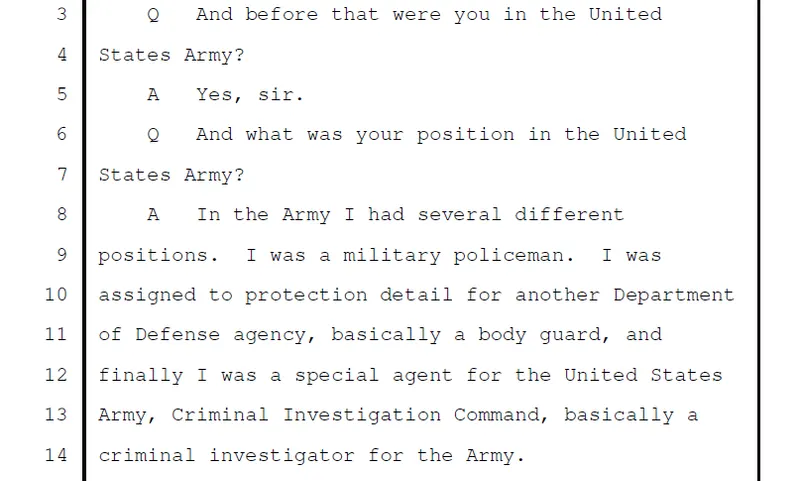
At Weinhaus's trial, Folsom informed the jury that he held three jobs in the Army. These were: military policeman, a one-year protection detail for "another Department of Defense agency," and special agent with the Army's Criminal Investigation Command, known as CID.
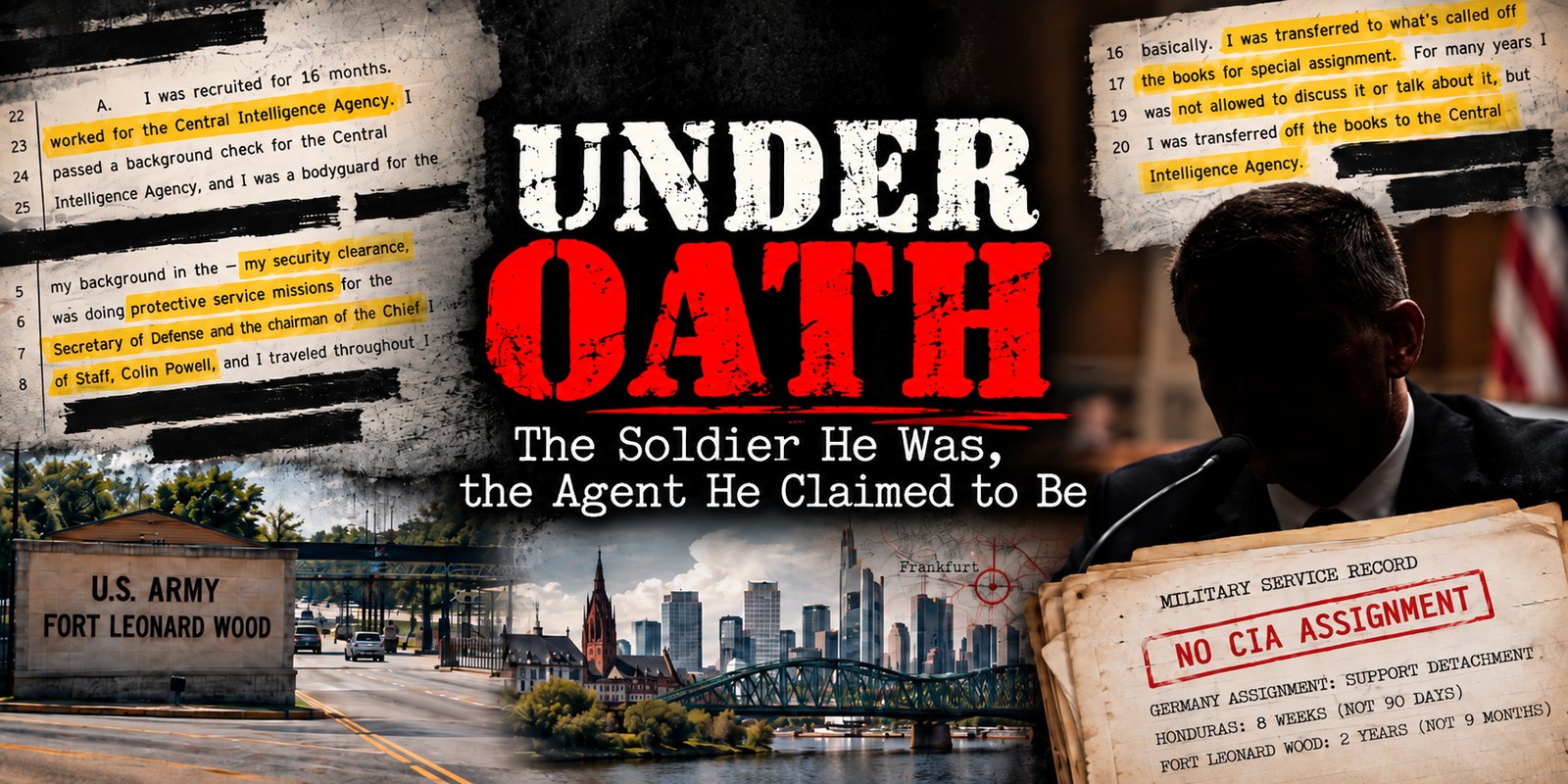
Under oath again in March 2022, in a deposition for Donald Nash's federal lawsuit, Folsom expanded his account. Folsom said he was "off the books" with the CIA for 16 months. He guarded CIA executives at an "Alpha Compound" in Frankfurt, Germany. He added that he "was not allowed to discuss" this work. He said that as a new CID agent he protected the Chairman of the Joint Chiefs, Colin Powell. He claimed he spent 90 days in Honduras providing security while "they blew up cocaine pits.”
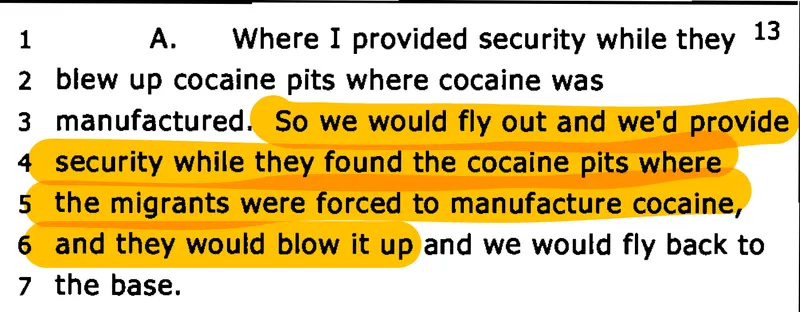
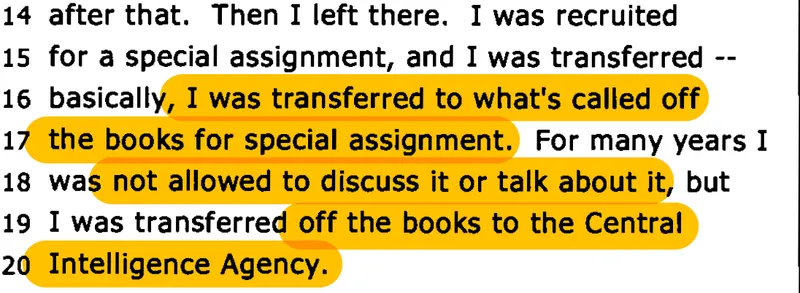
"Off the books" and "not allowed to discuss it" are phrases that raise a flag for any veteran. So I requested his service record from the National Personnel Records Center in St. Louis.
The record shows a good soldier. Folsom enlisted in November 1989. He trained as a military policeman at Fort McClellan, Alabama. Then, he served in Korea. At Fort Leonard Wood, he worked on drug cases with Army CID. He earned an Achievement Medal for helping to arrest 18 drug dealers. He made sergeant, and in July 1994 he became a CID special agent in Frankfurt. That part of his testimony holds up. The rest does not.
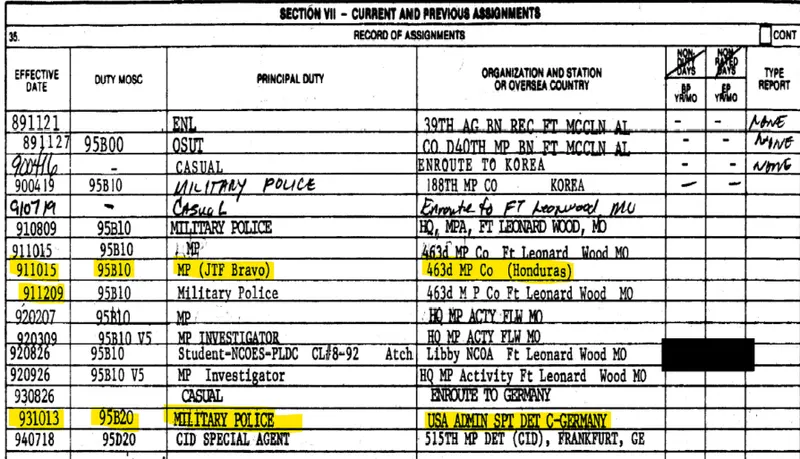
He testified he spent "about nine months" at Fort Leonard Wood. The record shows two years. Shortening it left room for a CIA stint the record does not show.
There is no CIA assignment in the record. His only assignment in Germany before CID was "USA Admin Spt Det C-Germany." This was an Army support detachment during the post-Cold War drawdown. His Army Commendation Medal shows he was a "Security Sergeant" for nine months, not 16, from October 1993 to July 1994.
Folsom arrived in Germany 13 days after Colin Powell retired as Chairman on September 30, 1993. Folsom did not become a CID agent until July 18, 1994, nearly ten months later.
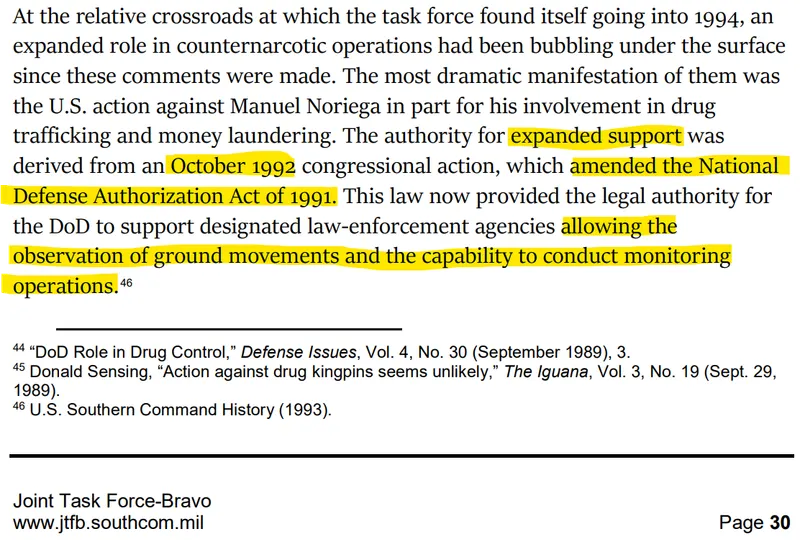
Honduras was real. The record shows an eight-week rotation with Joint Task Force Bravo in late 1991, not 90 days. The task force's history highlights its work on refugee repatriation, flood relief, and road building. There were no ground drug raids.
None of his awards mention protective details, the Joint Chiefs or the CIA. His record is that of an honorable military policeman. His sworn testimony embellished it, and every embellishment ran the same direction: toward a more important, more experienced, more credible witness.
If Folsom was willing to embellish his military career under oath, what was he willing to do when it was his own actions, and another man’s freedom, on the line?